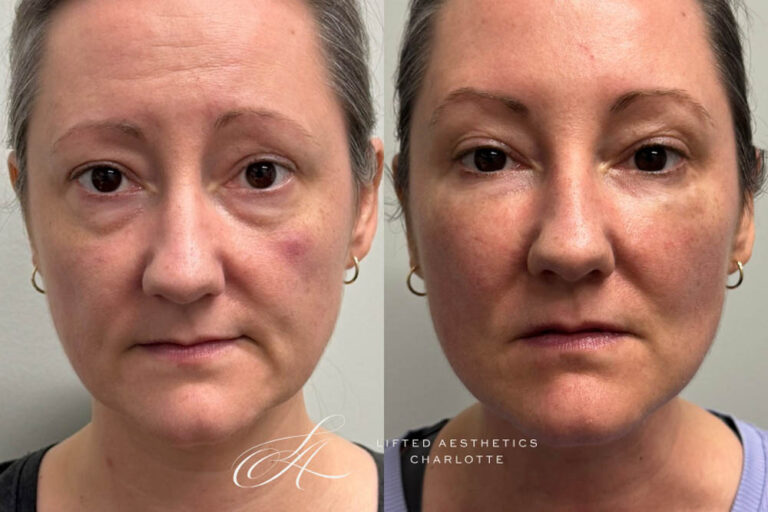
Sculptra Versus Hyaluronic Fillers: Which Is Right?
A cheek that once looked softly lifted can begin to appear flatter, even when the skin itself still looks healthy. A jawline can lose definition without needing more sharpness. These are the moments when the question of Sculptra versus hyaluronic fillers becomes more meaningful than simply asking which injectable lasts longer. Both can create beautiful, natural-looking enhancement, but they work in fundamentally different ways.
The right choice depends on what has changed, how quickly you want to see a result, your facial anatomy, and the look you want to maintain over time. For many patients, the most refined plan is not an either-or decision. It is a thoughtful combination designed to restore balance without making you look treated.
Sculptra versus hyaluronic fillers: the central difference
Hyaluronic acid fillers provide immediate, targeted support. They are gel-based injectables placed beneath the skin to add shape, structure, hydration, or volume in specific areas. Depending on the formula and placement, filler may soften a fold, define the chin or jawline, restore cheek contour, or improve the appearance of under-eye hollows.
Sculptra works differently. Rather than acting as a traditional volumizing gel, it is a collagen biostimulator. It encourages the body to gradually produce collagen, the structural protein that gives skin and soft tissue support. Results appear progressively over several weeks to months, creating a softer, more diffuse restoration of volume and facial quality.
A useful way to think about the distinction is precision versus gradual restoration. Hyaluronic acid filler can address a specific contour concern with visible change at the appointment. Sculptra is often selected when the face has experienced broader volume loss and would benefit from rebuilding support over time.
When hyaluronic acid filler may be the better fit
Hyaluronic acid dermal fillers are often ideal when there is a clear, localized concern. Perhaps your lips have lost definition, your chin needs a little more projection for profile balance, or a deep fold is creating a tired or heavy expression. In these situations, a carefully chosen filler can create an immediate, controlled improvement.
It can also be a helpful option for patients new to injectables. Because the result is visible right away, it offers a clear sense of what subtle enhancement can accomplish. Hyaluronic filler can also be dissolved if medically necessary, which is one reason many patients appreciate its flexibility.
That flexibility does not mean filler should be placed casually. Repeatedly adding product to the same area without stepping back to assess the whole face can create heaviness or an overfilled appearance. The most natural outcomes come from treating the cause of a concern, not simply filling every line or hollow that appears.
The longevity of hyaluronic fillers varies by product, treatment area, metabolism, and amount used. Some areas may maintain improvement for several months, while structural treatments can last longer. Read more about how long facial dermal fillers last to understand the factors that affect treatment longevity. A personalized plan should account for maintenance rather than promise a single universal timeline.
When Sculptra may be the better fit
Sculptra biostimulator treatments may be suitable for patients noticing more global facial deflation. This may show up as flattened cheeks, temples that appear more hollow, less support through the midface, or a general sense that the face looks more tired than it feels. Instead of creating a sharply defined focal point, Sculptra can help restore a more youthful foundation.
Its gradual nature is part of its appeal. Results develop quietly, which often suits patients who want colleagues and friends to notice that they look rested, healthy, or refreshed without being able to identify exactly why. It is a particularly elegant option for people who prefer a long-term, collagen-focused approach to facial aging.
Sculptra typically requires a series of treatments spaced over time. The number of sessions depends on your starting volume, age, anatomy, and aesthetic goals. Patience matters: the result is not designed to appear overnight. Learn more about the Sculptra collagen stimulation timeline to understand how results develop. Once collagen remodeling is established, improvement may last two years or longer for many patients, though individual experiences vary.
Sculptra is not appropriate for every area of the face. It is generally used for broader structural restoration rather than highly precise correction in delicate areas. Proper placement, dilution, and post-treatment guidance are essential, which makes experienced clinical assessment especially important.
The trade-offs to consider before treatment
If you have an event next week and want to refine a specific feature, hyaluronic filler may be the more practical choice. If you are planning ahead and want gradual improvement in overall facial volume, Sculptra may align more naturally with your goals.
Budget and maintenance preferences also matter. Filler can involve smaller, more frequent appointments depending on the areas treated. Sculptra may involve a greater initial investment across a treatment series, followed by less frequent maintenance. Neither approach is automatically more cost-effective. The better value is the one that addresses your actual needs without unnecessary product or repeat treatment.
There is also a difference in predictability. With filler, an experienced injector can evaluate visible changes during the appointment and make precise adjustments. Sculptra requires more trust in the process because collagen development occurs gradually. Patients who prefer immediate feedback may feel more comfortable starting with filler, while those focused on subtle, progressive restoration may prefer Sculptra.
Why facial balancing matters more than choosing a favorite injectable
The question is rarely, “What is the best injectable?” A better question is, “What would help my face look rested and balanced while still looking like me?” That answer can change from one person to the next.
For example, someone with midface volume loss and a recessed chin may benefit from Sculptra to gradually restore cheek support plus a small amount of hyaluronic filler for chin projection. Another patient may have strong facial volume but early under-eye shadowing that is better addressed with a highly selective treatment plan, not widespread filler or collagen stimulation.
Age is only one part of the assessment. Bone structure, skin quality, fat distribution, movement, prior treatments, and your own definition of natural-looking all affect the recommendation. A refined aesthetic plan considers the face in motion and at rest, from the front and in profile, rather than treating one feature in isolation.
Safety and thoughtful treatment planning
Both Sculptra and hyaluronic fillers are established injectable treatments when performed by a qualified medical professional, but all injections carry risks. Bruising, swelling, tenderness, and temporary asymmetry can occur. More serious complications are uncommon but possible, which is why anatomy knowledge, sterile technique, product selection, and appropriate follow-up matter.
Your consultation should include a conversation about medical history, current medications and supplements, previous injectable treatments, allergies, and any history of autoimmune conditions, keloid scarring, or active skin concerns. Transparency helps your provider choose a treatment plan that is both appropriate and conservative.
At Lifted Aesthetics, the goal is never to chase a trend or create volume for volume’s sake. A carefully paced plan allows us to evaluate how your features respond and preserve the expressions and proportions that make your face uniquely yours.
What to expect after each treatment
With hyaluronic filler, you may see improvement immediately, though mild swelling or bruising can temporarily affect the final appearance. Most patients return to normal activities quickly, with a few practical aftercare guidelines from their provider.
After Sculptra, you may initially notice fullness from the treatment fluid, but that early effect fades before collagen production begins. Your provider may recommend a specific massage routine and will explain how to care for the treated area. The gradual timeline can feel different from filler, but it is central to the treatment’s understated appeal.
The most satisfying injectable results rarely come from choosing the newest treatment or requesting the most product. They come from a plan that respects your anatomy, your timeline, and the level of change that feels right to you. A thoughtful consultation can clarify whether Sculptra, hyaluronic filler, or a measured combination is the next step toward looking quietly refreshed.