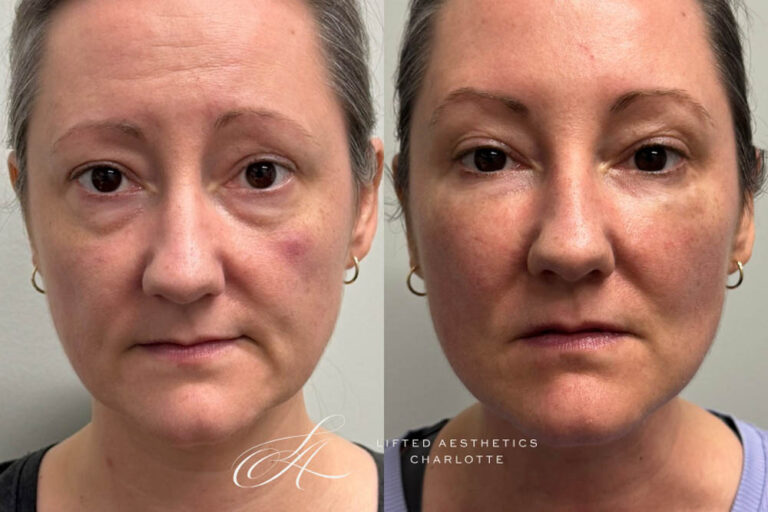
How to Treat Smoker Lines Without Looking Overdone
Those fine vertical lines above the upper lip can make lipstick feather, create a more tired appearance, and feel out of step with the rest of a well-maintained face. Learning how to treat smoker lines starts with a more precise understanding of why they form. Despite the name, smoker lines are not exclusive to people who smoke. Repetitive lip movement, sun exposure, collagen loss, genetics, and natural changes in facial support all contribute.
The most elegant treatment plans do not simply chase every line. They assess how your lips move, whether lines are visible at rest, the condition of your skin, and the balance between the lips, chin, cheeks, and lower face. That level of planning helps soften the mouth area while preserving the expressions that make you look like yourself.
Why smoker lines develop
Smoker lines, also called perioral lines or lip lines, usually appear as narrow vertical creases above the upper lip. Over time, the skin in this area becomes thinner and produces less collagen and elastin. Repeated puckering from smoking, sipping through straws, pursing the lips, or certain habitual expressions can gradually etch those movements into the skin.
Sun exposure accelerates the process. Ultraviolet damage breaks down collagen, while dehydration and skin dryness can make fine lines appear more pronounced. For some people, reduced volume and support in the midface or around the mouth also allows the skin to fold more easily.
This is why a single treatment is not always the right answer. A line caused primarily by strong muscle movement may respond differently than a line that is deeply set due to skin texture and collagen loss. A thoughtful consultation separates these concerns rather than treating every perioral line the same way.
The best ways to treat smoker lines
A customized plan may include one treatment or a carefully staged combination. The appropriate approach depends on the depth of the lines, your anatomy, your lifestyle, and how much improvement you want without changing your natural expression.
Neuromodulators for repetitive lip movement
When frequent lip pursing is contributing to smoker lines, small, strategic amounts of a neuromodulator such as Botox or Dysport may help relax the muscle responsible for that repetitive movement. This can reduce the force that continues to crease the skin and may keep fine lines from becoming more deeply etched.
The key word is strategic. The muscles around the mouth are essential for speaking, sipping, eating, and expression. Too much product, or placement that does not respect your anatomy, can affect lip movement in ways that feel unnatural. A conservative approach can soften movement while maintaining normal function and a polished, expressive appearance.
Neuromodulators are often most helpful for early or movement-related lines. They do not replace lost collagen or fully erase deeper lines that remain visible when the face is at rest. Results typically develop over several days and are temporary, making this an option that can be adjusted thoughtfully over time.
Dermal filler for fine structural support
For lines that remain visible at rest, a refined filler technique may provide subtle support beneath the skin. Hyaluronic acid filler can be placed conservatively around the upper lip to soften individual creases, improve the transition between the lip and surrounding skin, or restore a smoother appearance to the perioral area.
Treating smoker lines with filler does not have to mean creating noticeably larger lips. In fact, the goal is often the opposite: precise support that makes the area look rested and hydrated without changing the shape of the mouth. In some cases, supporting nearby areas of the lower face can create a more balanced result than placing product directly into every line.
Filler is highly technique-dependent. The area around the mouth has complex anatomy, and overfilling can create heaviness, stiffness, or an artificial look. A provider should assess your existing lip shape, dental structure, skin thickness, and facial proportions before recommending treatment. For clients who value restraint, gradual correction over more than one visit is often the most beautiful path.
Microneedling and PRP for skin quality
When texture, crepey skin, and fine etched lines are the primary concerns, collagen-stimulating treatments can be especially valuable. Microneedling creates controlled microchannels in the skin to encourage the body’s natural repair response and support new collagen formation. PRP may be incorporated into an appropriate plan to complement skin renewal using components from your own blood.
These treatments are not an instant fix, but they can improve the quality and resilience of the skin around the mouth over time. That makes them particularly useful for clients who want a gradual, natural-looking improvement or who are not ready for filler. A series of treatments is often recommended, followed by maintenance based on your skin and goals.
Microneedling may be paired with other treatments, but timing matters. Your provider should determine when to combine procedures and when to space them apart so the skin has an appropriate opportunity to heal.
Collagen restoration and broader facial balancing
For some clients, smoker lines are part of a larger pattern of volume loss. As the cheeks, temples, jawline, or chin lose structural support, the lower face can begin to look less lifted and the mouth area may appear more shadowed. In these cases, facial balancing may improve the perioral area indirectly by addressing support where it has actually been lost.
Collagen-stimulating treatments such as Sculptra may be considered for appropriate areas of the face when gradual volume restoration is needed. This is not a quick correction for an individual lip line, and it is not placed in the lip itself. It is a longer-term strategy that can complement more targeted treatments when the goal is overall facial harmony.
At Lifted Aesthetics, this kind of planning is central to achieving results that appear refreshed rather than treated. The best treatment is not necessarily the one that addresses the most lines in one appointment. It is the one that respects the whole face.
What to expect from a smoker line treatment plan
A good consultation begins with movement. Your provider may ask you to smile, purse your lips, speak, and relax your face to see where lines form and which ones remain at rest. They should also ask about smoking or vaping, sun exposure, prior filler or neuromodulator treatments, skincare, cold sore history, and your comfort level with downtime.
The timing of results depends on the treatment. Neuromodulators generally settle within about two weeks. Filler can provide visible softening promptly, although mild swelling or bruising may occur and can temporarily obscure the final result. Collagen-focused treatments develop more gradually, often over weeks to months.
Deeply etched lines may improve substantially without disappearing completely. That is not a failure of treatment. Skin that has folded repeatedly for years may require a combination approach and ongoing maintenance. A realistic plan prioritizes softer texture, less shadowing, and a smoother appearance at conversational distance rather than an unnaturally blank upper lip.
Can you prevent smoker lines from worsening?
Prevention supports every aesthetic treatment. Daily broad-spectrum sunscreen is one of the most effective ways to protect collagen around the mouth, and a consistent skincare routine can help maintain hydration and skin quality. If you smoke, stopping is beneficial for your health and can reduce continued damage to the skin’s collagen and circulation. It will not instantly remove existing lines, but it can meaningfully support longer-lasting results.
Avoiding unnecessary repetitive pursing may help, though there is no need to become overly self-conscious about normal expression. You should also be cautious about at-home microneedling, aggressive exfoliation, and unregulated filler devices. The mouth area is delicate, and poorly performed treatments can create irritation, scarring, asymmetry, or more serious complications.
The most flattering improvement is usually subtle: lipstick sits more smoothly, the upper lip looks less creased, and your face appears rested without anyone being able to pinpoint why. That is the value of choosing a treatment plan built around your anatomy, your skin, and the version of you that still feels entirely familiar.
If you’re exploring options to refine and smooth the mouth and lip area, check out these helpful guides:
-
Comparing Treatments: Read our breakdown on microneedling vs. chemical peels for fine lines to see which skin resurfacing method fits your goals.
-
Lip Enhancement Options: Explore real patient transformations and learn about subtle lip flipping in our guide on lip flip before and after results.