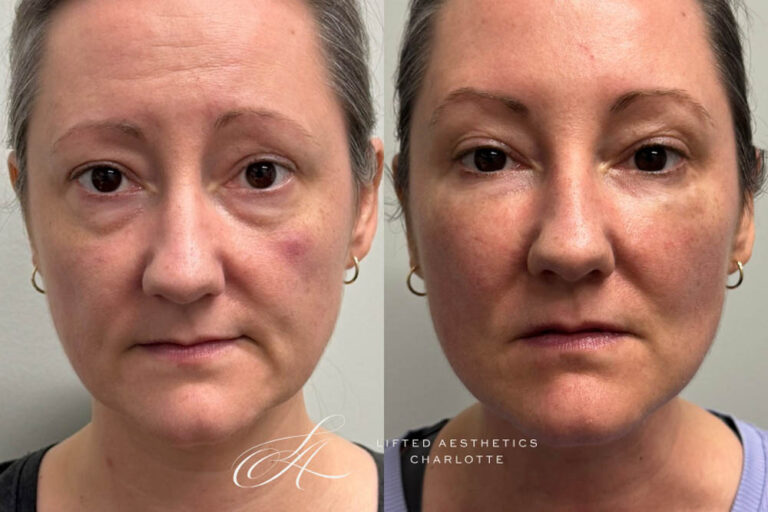
Can Fillers Fix Asymmetry? A Balanced Answer
A face does not need to be perfectly symmetrical to be beautiful. In fact, slight differences between the two sides of the face are normal and often part of what makes someone recognizable. But when one cheek appears flatter in photos, one under-eye looks more hollow, or the jawline seems uneven, it is understandable to wonder: can fillers fix asymmetry?
In many cases, thoughtfully placed dermal filler can create a more balanced, rested, and harmonious appearance. The key is understanding the cause of the imbalance and whether facial asymmetry correction and balancing may help soften the difference while preserving the features that make your face your own.
Can Fillers Fix Asymmetry in the Face?
Dermal fillers can improve certain types of facial asymmetry, particularly when the difference is related to volume, contour, or proportional balance. A skilled injector may use filler to gently support a flatter cheek, add structure to a recessed chin, refine an uneven jawline, or restore volume that has diminished more noticeably on one side of the face.
The best results are subtle. Rather than seeing “more filler,” others may simply notice that you look refreshed, well-rested, or more balanced in person and in photographs. This is the foundation of facial balancing: treating the face as a whole instead of focusing on a single feature in isolation.
Still, filler is not the right answer for every asymmetry. Some differences come from bone structure, muscle movement, dental alignment, injury, or medical conditions. An experienced provider will distinguish between concerns that can be improved non-surgically and those that require a different approach.
Why Facial Asymmetry Happens
Most facial asymmetry is multifactorial. You may have been born with one side of your face slightly fuller or stronger than the other. Over time, natural aging can make those differences more apparent as collagen, fat pads, and bone support change.
Facial expression also matters. One brow may lift more strongly, one side of the mouth may pull differently when you smile, or you may sleep predominantly on one side. Repeated movement, sun exposure, weight changes, and prior dental work can all influence how facial balance evolves.
This is why a photograph alone is not enough to plan treatment. Your provider should assess you at rest, in motion, and from multiple angles. The goal is to understand whether the concern is primarily volume-related, structural, muscular, or a combination of factors.
Volume loss can exaggerate natural differences
A common scenario is asymmetrical volume loss through the midface. If one cheek loses support faster than the other, the face can appear uneven even when the underlying bone structure is relatively balanced.
Restoring small, strategic amounts of volume may improve cheek contour, soften a fold, and provide better support beneath the eye. Learn more about how cheek filler for facial balance may help address differences in midface volume.
The temple area, chin, jawline, and lower face can also change asymmetrically with age. In these cases, filler can be a useful tool because it allows a provider to customize product placement and volume on each side rather than using a one-size-fits-all approach.
Muscle movement may be part of the picture
If your asymmetry is most noticeable when you smile, frown, or raise your eyebrows, muscle activity may be a significant factor. Neuromodulators such as Botox or Dysport can sometimes help balance muscle pull when used conservatively. For some clients, the most refined outcome comes from combining neuromodulators with filler rather than relying on filler alone.
For example, a brow that sits higher because of stronger muscle activity may not need added volume. Relaxing the overactive muscle with a carefully tailored treatment may provide a more natural correction. The treatment plan should follow your anatomy, not a trend or preset number of units and syringes.
Areas Where Filler May Improve Asymmetry
Filler can be especially effective when a difference in facial shape or fullness is visible at rest.
The most commonly treated areas include the cheeks, under-eyes, temples, chin, lips, and jawline, with targeted dermal filler treatments tailored to each person’s facial structure and concerns.
Cheek filler may help when one side has less projection or appears more hollow. Chin filler can improve profile balance and make a mildly recessed or off-center chin appear more proportionate. Along the jawline, filler may create a smoother transition where one side lacks definition.
Under-eye treatment requires additional restraint and expertise. A hollow under-eye can make one side look more tired, but this delicate area is not appropriate for every person. Puffiness, skin laxity, and the quality of the tissue all matter. In some cases, restoring support in the cheeks instead of placing filler directly beneath the eyes creates the more elegant result.
Lip asymmetry can also be improved, although the approach should be measured. The objective may be to refine the upper lip border, balance one side of the cupid’s bow, or add hydration and shape without creating excessive volume. Small adjustments often make the greatest difference.
When Filler Is Not the Best Solution
Filler cannot change significant skeletal asymmetry, correct a misaligned bite, or address every concern related to the nose, jaw, or facial nerve function. Understanding what facial balancing can and cannot achieve helps set realistic expectations for treatment.
If the difference is rooted in bone position or dental structure, a referral to an appropriate medical or dental specialist may be more beneficial.
It is also not a cure for facial swelling or tissue laxity. Adding volume to an already puffy area can make a concern more visible. Similarly, using filler to chase every tiny difference can lead to overcorrection, which is rarely consistent with a natural-looking result.
Clients with a history of facial trauma, sudden new asymmetry, facial weakness, or changes in sensation should seek medical evaluation before pursuing cosmetic treatment. New or rapidly changing asymmetry deserves attention beyond aesthetics.
The Art of Correcting Asymmetry Without Looking Overdone
Correcting facial asymmetry is not about injecting equal amounts on both sides. Symmetry is not always achieved through symmetry in treatment. One side may need more support, while the other may need none at all.
A thoughtful provider considers facial proportions, skin quality, expression, and how each feature relates to the others. Sometimes the most effective correction is not placed directly in the area that concerns you. Supporting the cheek, for instance, may make the under-eye look more even. Adding subtle chin projection may bring the jawline and lower face into better balance.
Product selection matters, too. Some fillers are designed for soft, flexible movement in areas such as the lips, while others provide more structural support for the cheeks, chin, or jawline. The right product, depth, and placement are as important as the amount used.
At Lifted Aesthetics, this kind of treatment begins with an individualized facial assessment, not a syringe count. The goal is to create an outcome that fits your features and still looks like you on your best day.
What to Expect From a Facial Balancing Consultation
A quality consultation should feel unhurried and educational. Your provider will ask what you notice, but may also point out features you had not considered. This is useful because the visible concern and the best treatment area are not always the same.
You should discuss your medical history, previous injectable treatments, current medications, and aesthetic goals. Your provider may take photographs and assess your face in motion. From there, you can decide whether filler is appropriate now, whether another treatment would better serve your goals, or whether a gradual approach makes the most sense.
For many clients, starting conservatively is the most comfortable path. Filler can often be added in stages after swelling settles and you have had time to see how the initial refinement integrates with your features. This approach supports control, longevity, and a result that never feels abrupt.
Results, Longevity, and Safety
Results from dermal filler are often visible immediately, though early swelling can temporarily affect how balanced the area appears. Final refinement is typically easier to assess after the treated area has settled. Depending on the product, placement, metabolism, and movement in the area, results may last from several months to two years or longer.
As with any injectable treatment, filler should be performed by a qualified medical professional with a strong understanding of facial anatomy and complication management. Bruising, swelling, and tenderness are common short-term effects. More serious complications are uncommon but possible, which is why provider training, careful technique, and appropriate follow-up matter.
A balanced face is not a mathematically perfect face. The most successful filler treatment respects your natural asymmetry while reducing the differences that distract from how rested, confident, and polished you feel.