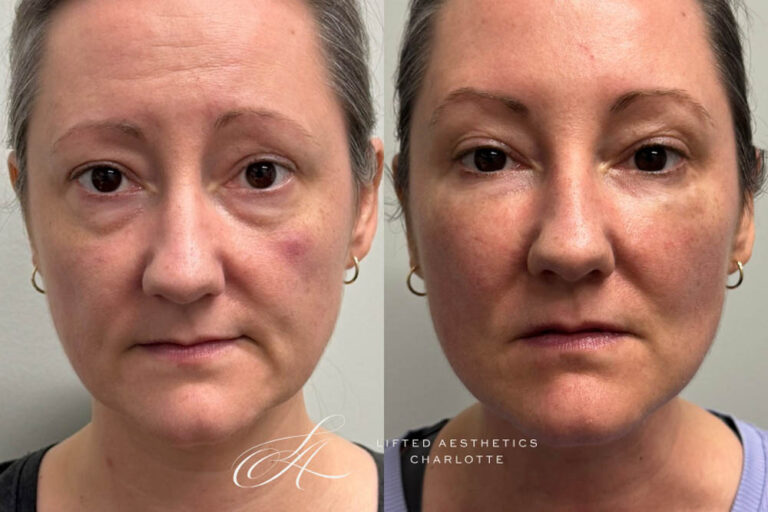
Can Under Eye Filler Fix Dark Circles? When It Helps
Dark circles are not one concern with one solution. So, can under eye filler fix dark circles? Sometimes – particularly when a hollow beneath the eye creates a shadow that makes the area look darker or more tired. But filler cannot reliably correct every type of under-eye darkness, and treating the wrong cause can make the area look puffy rather than refreshed.
The most natural-looking approach starts with understanding what you are actually seeing in the mirror: a structural shadow, pigment in the skin, visible vessels, under-eye bags, or often a combination of these. The distinction matters as much as the treatment itself.
Can under eye filler fix dark circles caused by hollows?
Under-eye filler can improve dark circles when volume loss or a pronounced tear trough is casting a shadow between the lower eyelid and cheek. This type of darkness may look worse in overhead lighting, after weight loss, or as facial fat and collagen change with age. The skin itself may not be darker; the contour is simply catching less light.
In the right candidate, a conservative amount of hyaluronic acid filler can soften the transition from lower eyelid to cheek. The goal is not to fill the under-eye area until it is flat. It is to restore a smoother, supported contour so the face appears rested while still looking like you.
Often, the best plan is not filler directly beneath the eye alone. Thoughtful cheek support can improve the under-eye transition with less product in this delicate area. This broader approach to facial balancing and dermal filler respects the relationship between the midface, lower eyelid, and natural cheek contour.
When filler is unlikely to solve dark circles
Filler does not remove pigment. If the skin under your eyes is brown, gray, or uneven because of genetics, sun exposure, irritation, or post-inflammatory discoloration, adding volume may leave the color largely unchanged. Skin-focused care may be more appropriate.
Likewise, bluish or purplish darkness can relate to thin skin and visible blood vessels. Filler may reduce a hollow’s shadow, but it does not erase vascular color. A provider may discuss skin quality, topical skin care, or selected energy-based treatments as part of a more complete plan.
Under-eye bags are another important distinction. If the concern is a true fat pad or persistent puffiness rather than a hollow, filler may not be the right answer. In some cases, adding volume below a bag can make the contrast less obvious; in others, it can add fullness to an already congested-looking area. Significant bags, eyelid laxity, or lower-lid changes may warrant an evaluation with an oculoplastic or facial plastic surgeon rather than repeated filler.
What a careful under-eye assessment should include
The under-eye is one of the least forgiving places to inject. Good treatment planning looks beyond a single line or shadow. Your provider should assess skin thickness, facial proportions, degree of midface support, puffiness, asymmetry, lower eyelid laxity, prior filler, and how the area changes when you smile or look upward.
Lighting is revealing, too. A shadow that appears only in certain light may be structural, while discoloration visible in every setting may be more pigment-driven. Photos, makeup-free assessment, and an honest conversation about what bothers you most help clarify the treatment target.
This is also why a consultation should include your history of prior fillers, surgery, allergies, medications, and relevant medical conditions. Existing product can persist longer than expected in the under-eye area, and previous treatment may influence both the plan and the decision to wait.
Signs you may be a better filler candidate
You may be a reasonable candidate when the main issue is a hollow or abrupt lower-lid-to-cheek transition, there is minimal under-eye puffiness, and your skin has enough quality and support to tolerate a subtle volume adjustment. You should also be comfortable with improvement rather than perfection. Under-eye anatomy naturally has some color, texture, and asymmetry.
People with active skin irritation or infection near the treatment area should postpone injectable treatment. Pregnancy and breastfeeding are also times when elective injectables are generally deferred. An in-person evaluation is the appropriate setting to determine whether treatment is suitable for you.
Why less filler often looks better
The under-eye has thin skin, limited space, and a tendency to hold swelling. More product is not a better result. Overfilling can create a heavy, blue-gray cast, persistent puffiness, or an unnatural transition between the lower eyelid and cheek.
A refined plan may involve a small amount of filler placed strategically, treatment staged over more than one visit, or choosing to improve the cheek first and reassess. This restraint is not a compromise. It is often what protects a natural, polished result.
Hyaluronic acid fillers are commonly considered for this area because they can be adjusted or dissolved if medically necessary. Product selection, depth of placement, and injection technique are clinical decisions that should be made according to your anatomy, not a trend or a one-size-fits-all protocol.
What to expect after under-eye filler
Treatment is typically an in-office appointment. Your provider may use topical numbing and will discuss the approach selected for your anatomy. You may feel pressure, brief pinches, or a mild stinging sensation, but the experience varies.
Swelling, tenderness, and bruising can occur afterward, and the under-eye may look uneven before it settles. Plan treatment well ahead of a major event rather than scheduling it immediately before photographs, travel, or a wedding. Follow the specific aftercare provided by your injector, and avoid pressing or massaging the area unless you are instructed to do so.
Results are often visible right away, but early swelling can obscure the final result. A follow-up assessment after the area has settled is useful, especially in a region where a very small adjustment can matter.
Important safety considerations
Any filler injection carries risks, including bruising, swelling, infection, lumps, asymmetry, delayed inflammatory reactions, and unintended vascular complications. Vascular compromise is uncommon but serious and requires immediate evaluation. Severe or escalating pain, unusual blanching or mottled discoloration, skin that appears dusky, or vision changes after filler should be treated as urgent symptoms. Contact your injector immediately and seek emergency care when directed.
This is not an area for bargain shopping or casual treatment. Under-eye filler calls for strong anatomical knowledge, conservative judgment, appropriate emergency protocols, and a willingness to say no when filler is not the safest or most flattering option.
Better options when darkness is more about skin quality
When pigment, crepey texture, or thin skin is the primary concern, a collagen-focused strategy may offer more meaningful improvement than filler alone. PRF treatments are sometimes considered for patients seeking a regenerative approach to delicate under-eye skin, while treatment plans for broader texture concerns may include microneedling. The right choice depends on the specific concern and should be discussed conservatively around the eye area.
Many patients benefit from combination planning. For example, modest cheek support may address a structural shadow while a skin-focused regimen addresses texture and discoloration over time. This approach takes patience, but it avoids asking one treatment to solve concerns it was never designed to correct.
How long does under-eye filler last?
Longevity varies considerably based on the product used, placement, metabolism, your anatomy, and whether the treatment is placed directly in the tear trough or used to support the cheek. The under-eye is also an area where filler may remain detectable longer than a patient expects. Rather than automatically scheduling frequent touch-ups, it is wise to reassess the contour carefully and add only when there is a clear need.
For patients in Davidson, Lake Norman, and Charlotte who are considering under-eye treatment, the most productive first step is a consultation centered on diagnosis, not a predetermined syringe amount. A thoughtful plan can make a tired-looking shadow less noticeable; it should never chase an airbrushed, expressionless under-eye. If you would like individualized guidance, schedule a consultation to discuss what is creating your dark circles and whether filler, skin treatment, or a different approach best supports a refreshed result.